
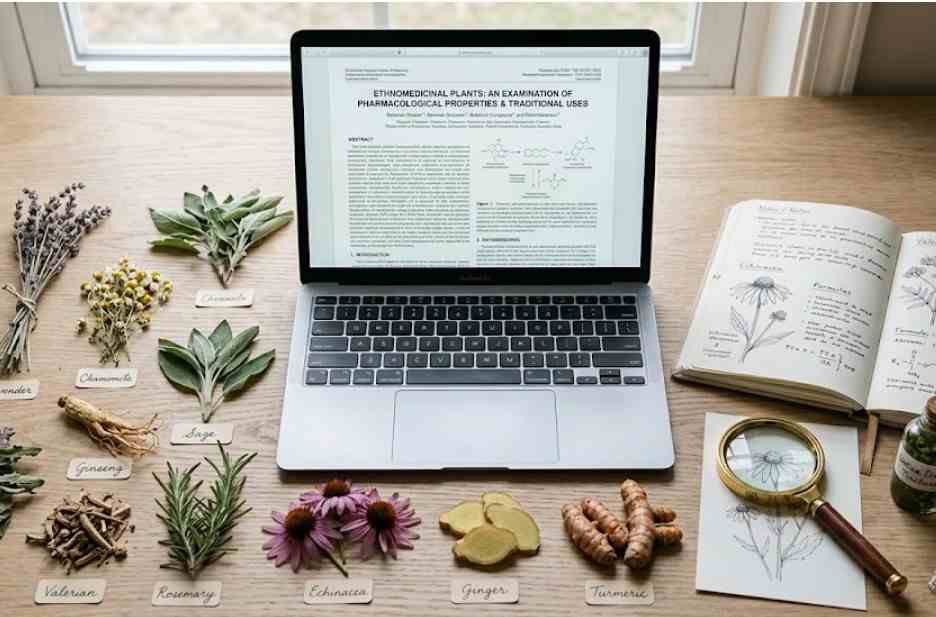
For centuries, indigenous communities have relied on nature’s pharmacy to treat ailments long before the advent of modern synthetic drugs. Today, the bridge between ancient tribal wisdom and modern pharmacology is more critical than ever. If you are a researcher, botanist, or student looking for a comprehensive ethnomedicinal plants pdf, you are tapping into a global movement aimed at preserving and validating traditional medicine.
This guide serves as the ultimate resource to understanding ethnomedicinal plants, their pharmacological significance, and how to navigate scientific literature to find the exact data you need.
What Are Ethnomedicinal Plants?
Ethnomedicinal plants are botanical species that are used by specific indigenous cultures, tribes, or local communities for therapeutic purposes. The study of these plants falls under ethnobotany and ethnopharmacology.
Unlike general herbal medicine, ethnomedicine focuses heavily on the cultural context of plant use. It answers questions like: How is the plant harvested? Which part (root, leaf, bark) is used? How is it prepared (decoction, poultice, raw)?
When you download a high-quality ethnomedicinal plants pdf, you will typically find a structured catalog of these traditional practices backed by modern scientific validation.
Why Do Researchers Search for an "Ethnomedicinal Plants PDF"?
The search volume for an ethnomedicinal plants pdf has skyrocketed in recent years. Here is why the scientific community is heavily focused on these documents:
- Drug Discovery: Over 40% of modern pharmaceuticals are derived from natural compounds. An ethnomedicinal plants PDF acts as a roadmap, pointing researchers toward plants that have a high probability of yielding active bioactive compounds.
- Preservation of Indigenous Knowledge: Oral traditions are fading. Documenting this knowledge in PDF format ensures it is not lost to globalization and urbanization.
- Cost-Effective Healthcare: In developing nations, validating local plants provides a sustainable, low-cost alternative to expensive imported drugs.
- Phytochemical Profiling: These documents usually contain GC-MS, HPLC, and spectrophotometric analyses of plants, detailing the exact alkaloids, flavonoids, and terpenoids present.
Top Ethnomedicinal Plants You Will Find in Research Documents
While a detailed ethnomedicinal plants pdf will contain hundreds of local species, several plants have gained global recognition due to their profound efficacy.
1. Ashwagandha (Withania somnifera)
Used heavily in Ayurvedic medicine, this adaptogen is documented in numerous ethnomedicinal texts for its ability to reduce cortisol, combat stress, and improve neurodegenerative conditions. Its primary bioactive compounds are withanolides.
2. Turmeric (Curcuma longa)
While known globally as a spice, ethnomedicinal literature highlights its use as a potent anti-inflammatory, wound healer, and treatment for gastrointestinal disorders. The polyphenol curcumin is the star phytochemical here.
3. Neem (Azadirachta indica)
Often referred to as the "village pharmacy" in rural India, an ethnomedicinal plants pdf focusing on tropical flora will highlight neem for its antibacterial, antifungal, and antimalarial properties.
4. African Potato (Hypoxis hemerocallidea)
Frequently featured in Southern African ethnobotanical PDFs, this plant is traditionally used to boost immunity and treat urinary tract infections, now known to contain hypoxoside.
5. Yew Tree (Taxus brevifolia)
Indigenous North American tribes used this plant for medicinal purposes. Modern researchers studying these traditional uses discovered Taxol, a revolutionary chemotherapy drug used to treat breast and ovarian cancer.
The Pharmacological Bridge: From PDF to Laboratory
Finding an ethnomedicinal plants pdf is only step one. The real work lies in pharmacological validation. Researchers use a specific pipeline to test these plants:
- In Vitro Studies: Testing plant extracts on cell cultures to see if they kill microbes or cancer cells.
- In Vivo Studies: Testing on animal models to determine toxicity (LD50) and efficacy.
- Fractionation: Isolating the specific chemical compound responsible for the healing effect.
- Clinical Trials: Human trials to establish safe dosages.
Pro Tip: When reviewing an ethnomedicinal plants pdf, always look for the term "dual extraction" or "solvent extraction." Water extracts (decoctions) mimic traditional use, but alcohol or ethyl acetate extracts often yield stronger lab results because they pull out non-polar compounds.
How to Find and Utilize an Authentic Ethnomedicinal Plants PDF
Because you cannot always trust random downloads, here are the best ways to find peer-reviewed, scientifically accurate literature on this topic:
- Google Scholar: Search your keyword using boolean operators:
"ethnomedicinal plants" AND "pdf" AND "phytochemical analysis". This filters out generic articles and brings up actual research papers. - ResearchGate & Academia.edu: These are researcher networks where authors upload their published papers for free. Searching for an ethnomedicinal plants pdf here will yield direct downloads.
- PubMed/NCBI: While they don't always offer free PDFs, searching the database will give you the abstracts. You can then search the exact title of the paper on Google to find open-access versions.
- Ethnobotanical Databases: Websites like Dr. Duke’s Phytochemical and Ethnobotanical Databases allow you to search by plant name to see its ethnomedicinal uses and chemical constituents without needing a PDF.
Challenges in Ethnomedicinal Plant Research
While an ethnomedicinal plants pdf is a treasure trove of information, the field faces several hurdles:
- Bio-piracy: The fear that multinational corporations will patent traditional knowledge without compensating indigenous communities. The Nagoya Protocol was established to combat this.
- Lack of Standardization: Traditional preparations vary wildly. One healer's decoction may differ in concentration from another's.
- Loss of Habitat: Deforestation is wiping out many of these species before they can even be scientifically documented.
The Future of Ethnomedicine
The future of ethnomedicinal research lies in Omics Technologies. Scientists are now using genomics, transcriptomics, and metabolomics to understand exactly how these traditional plants interact with the human body at a molecular level. If you are compiling or reading an ethnomedicinal plants pdf today, you will likely see a shift from simple "this plant cures that" to complex network pharmacology explaining multi-target therapies.
Download ethnomedicinal plants pdf
Download link - Download
Conclusion
The intersection of ancient tribal wisdom and modern analytical chemistry is where the future of drug discovery lies. Whether you are looking to write a thesis, develop a new herbal supplement, or simply expand your knowledge, utilizing a well-researched ethnomedicinal plants pdf is your gateway to understanding the raw, unadulterated power of nature. By respecting indigenous knowledge and applying rigorous scientific standards, we can unlock botanical secrets that have been hidden in the forests for millennia.
Frequently Asked Questions (FAQs)
Q1: Where can I download a free ethnomedicinal plants PDF?
You can download free, peer-reviewed articles from platforms like ResearchGate, Academia.edu, and open-access journals such as the Journal of Ethnopharmacology or Frontiers in Pharmacology.
Q2: What is the difference between a medicinal plant and an ethnomedicinal plant?
All ethnomedicinal plants are medicinal, but not all medicinal plants are ethnomedicinal. "Medicinal" refers to any plant with therapeutic properties. "Ethnomedicinal" specifically refers to plants used by a distinct cultural group based on their traditional beliefs and historical practices.
Q3: Are the remedies in an ethnomedicinal plants PDF safe to try at home?
No. While traditional use implies a level of safety, many ethnomedicinal plants are highly toxic if not prepared correctly. Furthermore, they can interact dangerously with prescription medications. Always consult a healthcare professional before using herbal remedies.